Truck Blind Spot Accidents in Texas | No-Zone Collision Injury Rights

Published by J.A. Davis & Associates – San Antonio Personal Injury Lawyers – Truck Accident Lawyers

Texas Highways: Recognizing Truck Blind Spots and Protecting Yourself from No-Zone Collisions (Part 12)

Truck blind spot accidents rank among the most common and preventable collisions on Texas highways. The massive blind spots surrounding commercial trucks create invisible zones where passenger vehicles simply disappear from driver awareness. Truck blind spot accidents contributed to approximately one-third of all large truck and passenger vehicle collisions in Texas during 2024, when the state recorded 39,393 commercial vehicle crashes claiming 608 lives. Truck blind spot accidents occur when motorists linger in areas where truck drivers cannot see them, or when truck drivers fail to properly check their surroundings before lane changes. If you or a family member has been injured in a collision caused by a truck driver’s failure to monitor blind spots, legal remedies are available.

san antonio commercial truck accident lawyer

The Scope of Blind Spot Accidents in Texas

Texas highways carry enormous volumes of commercial truck traffic, creating constant interaction between semi-trucks and passenger vehicles. The physical characteristics of commercial trucks produce four substantial blind spots that create dangerous conditions for surrounding motorists. In 2024, Texas recorded 39,393 commercial vehicle crashes resulting in 608 fatalities and thousands of serious injuries.

National and state data indicate that approximately one-third of collisions between large trucks and passenger vehicles occur within truck blind spots. These incidents transform routine highway travel into side-swipe collisions, rear-end accidents, and merge-related crashes. Harris County alone recorded over 850 truck accidents during that year, with approximately 35% attributed to blind spot visibility failures on congested corridors such as Interstate 10.

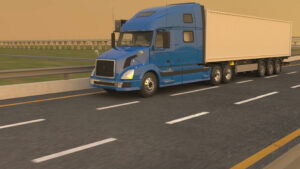
The dimensions of truck blind spots exceed what most motorists realize. The front blind spot extends approximately 20 feet ahead of the cab, meaning a truck driver cannot see vehicles that cut in too closely after passing. The passenger side blind spot spans roughly 30 feet laterally from the truck, covering two full lanes of traffic. The driver side blind spot extends approximately 20 feet, though it remains somewhat smaller due to better mirror positioning. The rear blind spot stretches an alarming 400 feet behind the trailer, rendering following vehicles completely invisible to the truck driver.
mcallen tr

These blind spots exist despite mirror systems because the physical dimensions of truck cabs and trailers create viewing angles that mirrors cannot fully address. Standard truck mirrors reflect only 50 to 70% of the adjacent lane area, leaving substantial gaps in driver awareness.

Common Misconceptions About Truck Mirrors and Visibility

Many motorists operate under dangerous misconceptions about truck driver visibility. Understanding the limitations of truck mirror systems helps motorists make safer decisions when traveling near commercial vehicles.

The most common misconception holds that if you can see a truck’s side mirror, the driver can see you. This assumption proves false in many situations. Truck mirrors provide limited coverage of adjacent lanes, and vehicles positioned at certain angles remain invisible regardless of mirror adjustment. A passenger vehicle traveling alongside a truck may see the mirror clearly while remaining completely hidden from the driver’s view.

Another misconception involves the effectiveness of brief glances. Truck drivers operating under fatigue conditions may miss vehicles that appear briefly in their field of view. Uneven acceleration patterns alongside truck cabs create situations where fatigued drivers fail to register the presence of adjacent vehicles before initiating lane changes.

Subtle drift patterns from commercial trucks often precede blind spot collisions. A truck gradually moving toward lane markers or a truck initiating lane changes without signaling indicates a driver who may not have checked blind spots adequately. These warning signs, documented in TxDOT and FMCSA crash investigations, appear in more than 30% of blind spot related accidents.

Protective Measures for Texas Motorists

Avoiding truck blind spots requires understanding their dimensions and maintaining awareness of your position relative to commercial vehicles. The following measures can significantly reduce exposure to blind spot collision risks.

Memorize the four no-zones surrounding commercial trucks and plan your highway travel to minimize time spent within them. When passing trucks, complete the maneuver fully by continuing until your vehicle clears the front of the trailer before returning to the truck’s lane. When following trucks, maintain at least a seven-second following distance to remain visible in the truck’s mirrors and provide adequate reaction time.

Use truck mirrors as a visibility gauge. If you cannot see the truck driver’s face in the truck’s side mirror, assume the driver cannot see your vehicle. When you find yourself in this situation, accelerate smoothly to exit the blind spot rather than maintaining position alongside the truck. Avoid the passenger side blind spot particularly, as it represents the largest and most dangerous no-zone.

Respond assertively if a truck begins encroaching on your lane. A short, firm horn signal alerts the driver to your presence. Activate hazard lights to draw attention from surrounding traffic if you cannot safely exit the blind spot. These actions have prevented countless collisions by alerting truck drivers to vehicles they could not otherwise see.

Document blind spot incidents when they occur. Dashboard cameras capture evidence of improper lane changes and failure to signal that establish negligence in collision cases. Record the truck’s DOT number, company name, and details of the encroachment for potential reports or legal proceedings.

Report dangerous blind spot violations to Texas Highway Patrol at *HP (*47). These reports contribute to enforcement efforts and help identify drivers or carriers with patterns of visibility-related violations.

Legal Framework and Enforcement Efforts

Federal Motor Carrier Safety Administration regulations mandate blind spot awareness training for commercial driver’s license holders. Truck drivers receive instruction on the dimensions of their vehicle’s blind spots and proper techniques for monitoring them before lane changes. Violations of proper passing procedures carry fines exceeding $500 in Texas.

TxDOT conducts roadside inspections that assess mirror condition and adjustment. Improperly adjusted or damaged mirrors that reduce driver visibility constitute violations that support negligence claims when accidents occur.

Trucking companies bear responsibility for ensuring their drivers receive adequate training on blind spot awareness. When training deficiencies contribute to blind spot accidents, both the driver and employer may face liability.

Protecting Your Rights After a Blind Spot Accident

If you have been injured in a blind spot collision with a commercial truck, evidence preservation begins immediately at the scene. Photograph vehicle positions, damage patterns, and any evidence of the truck’s lane change or merge maneuver. Document the truck’s mirror condition if visible damage exists. Obtain witness contact information from individuals who observed the collision.

Seek medical attention promptly and maintain thorough records of treatment and expenses. Texas law allows injury victims to pursue compensation for medical bills, lost wages, pain and suffering, and other damages caused by negligent driving.

Consulting with a truck accident attorney costs nothing upfront and provides clarity about your legal options. An experienced attorney can investigate driver training records, mirror inspection logs, and company policies to establish the negligence that contributed to your blind spot collision.

Review your uninsured and underinsured motorist coverage before accidents occur. Adequate UM/UIM coverage protects you when at-fault parties carry insufficient insurance. Understanding truck blind spot dimensions and maintaining awareness of your position relative to commercial vehicles empowers Texas motorists to avoid the invisible zones where accidents occur.

Learn More

Trusting a Trucker to Tell the Truth after an Accident Can be a Grave Mistake

This Blog was brought to you by the Carabin Shaw Law Firm – Personal Injury Lawyer Austin

Trusting a Trucker to Tell the Truth after an Accident Can be a Grave Mistake

Many interests are at stake after a significant trucking accident: the driver, the company he works for, the owner of the cargo, and the insurance companies that cover all of them. And since every trucking wreck is a very expensive proposition, their side needs to have a fall guy. The first one in line is the driver. And when that happens, the driver will usually try and pass the blame off to you to keep his job. This is why it’s never a good idea to trust the truck driver to tell the truth if he or she causes an expensive accident. If truck drivers are found to be liable for an accident, not only will they be fired, it they might have a very difficult time landing a new job after costing their previous employer enormous amounts of money in liability claims. More about our Austin Truck Accident Lawyer here
Sometimes their employer, mainly if investigations determine they must share negligence liability, fires the driver outright and then tries to get out of any respondent’s superior liability by sloughing all of it on the now-dismissed driver’s behavior or character leading up to the accident. It’s a convenient dodge, and we’ve seen it work in some cases: but not all of them. If this isn’t the driver’s first wreck at the wheel of a big truck, he might lose either (or both of) his state trucking driver’s license or his DOT certification. So now this poor fellow has to find new line-of work. With the high unemployment in the U.S., the temptation for that driver to lie, cheat or behave dishonestly to save his or her job is too great if this driver wants to keep taking care of their family.

After suffering an injury in an 18-wheeler accident in which the truck driver claimed that our client was driving with his lights off at night, our investigators quickly examined the scene. They discovered a security camera outside a convenience store pointed directly beyond its parking lot and behind the highway accident scene. The video clearly showed our client’s headlights shining brightly. We proved that the truck driver boldly lied. Witnesses and defendants can lie or callously misrepresent critical facts in trucking accident cases. But they can’t lie to or hide from our investigations. Our Law Office knows how to uncover and replace the lies with the truth. Over the past 20 years, we have conducted thousands of commercial truck accident investigations and deposed tens of thousands of witnesses to get to the bottom of your accident case. We do it with the truth, the whole truth, and nothing but the truth.

If you or a loved one has been involved in a trucking accident in Texas, our experienced accident lawyers can win the best compensation for you. Call us today (toll-free) for a free consultation. Get on the road to recovery so you and your family can get on with your lives.

More Great 18 Wheeler Accident Blogs Here
https://www.texastruckaccidentattorneys.com/truck-accident-attorneys-personal-injury-lawyers/
https://truckaccidentattorneysa.com/big-rigs-and-teenagers-in-traffic/
https://laredotruckaccidentlawyer.com/direct-negligence-of-an-18-wheeler-operator/
https://www.truck-accident-injury.com/trucking-insurers-fight-hard-to-deny-your-claim/
https://www.truck-accident-injury-lawyers.com/self-insured-companies-or-independent-truckers/
https://www.commercial-truck-accident-lawyer.com/tractor-trailer-truck-accident-victims/
https://www.commercial-truck-accident-lawyers.com/personal-injury-lawyers-truck-accidents/
https://www.truck-accident-injury-lawyer.com/damages-you-can-seek-after-a-serious-flatbed-trucking-accident/
https://www.truck-accident-injury-law.com/18-wheeler-accident-lawyers/
https://www.big-rig-truck-accident-lawyers.com/who-is-to-blame-for-your-damages-and-pain/
https://www.accident-lawyers-dallas.com/18-wheeler-accident-lawyers/
https://austin-auto-accident.com/trucking-companies-and-their-insurance/

Learn More

Common Causes of Truck Accidents

This Blog was brought to you by the San Antonio Personal Injury Lawyer, Carabin Shaw – Principal Office in San Antonio

Common Causes of Truck Accidents

Imagine a scenario where a truck driver, exhausted from long hours on the road, fails to notice a sudden stop in traffic ahead, leading to a serious collision. This unfortunate incident highlights just one of the many factors contributing to truck accidents. While driver fatigue is a significant issue, it’s far from the only cause. Understanding the full range of common causes can reveal critical insights into preventing such accidents in the future, sparking a necessary conversation about safety on our highways. More info on this website
Driver fatigue is a leading cause of truck accidents, as tired drivers struggle to maintain focus and reaction times on the road. Your body and mind can easily wear down when you’re behind the wheel for long hours. You might think you can push through the fatigue, but that’s when the risks increase. Your judgment can become impaired, making it harder to react to sudden changes in traffic or road conditions.

Recognizing the signs of fatigue is essential for your safety and others. If you yawn frequently, have difficulty concentrating, or experience heavy eyelids, it’s time to pull over. Taking regular breaks helps combat fatigue and keeps your mind sharp. More info on this website

Schedule your driving hours wisely, ensuring adequate rest before hitting the road. Additionally, stay hydrated and eat healthy snacks to maintain your energy levels. Remember, it’s better to arrive late than not at all.

Improper Vehicle Maintenance

Improper vehicle maintenance can lead to serious truck accidents, as neglected inspections and repairs increase the risk of mechanical failures on the road. When you skip routine checks, you’re putting yourself and others in danger. For instance, worn-out brakes can fail unexpectedly, making it hard to stop in time. Got Injured In An Accident – CALL SHAW

Tires are another critical component; if they’re underinflated or have insufficient tread, you risk losing control, especially in bad weather. Regular oil changes and fluid checks are essential too. Dirty oil can cause engine problems that not only impair performance but can also lead to breakdowns.

Moreover, malfunctioning lights and signals can hinder visibility and communication with other drivers, increasing the chances of collision.

Keeping up with all maintenance schedules isn’t just a good practice; it’s your responsibility as a truck driver.

Distracted Driving

Distracted driving is a leading cause of truck accidents, as even a momentary lapse in focus can have catastrophic consequences on the road. When you’re behind the wheel of a massive truck, any distraction can turn deadly. You might think checking your phone or adjusting the radio is harmless, but these actions divert your attention from the road.

It’s essential to recognize the different forms of distraction. Visual distractions, like looking at a GPS or reading a text, take your eyes off the road. Manual distractions, such as eating or reaching for something in the cab, remove your hands from the steering wheel. Cognitive distractions, like day dreaming or thinking about personal issues, can cloud your judgment and reaction time.

To prevent accidents, you need to stay focused. Make it a habit to minimize distractions before you start driving. If you need to make a call or send a text, pull over to a safe location first.

Always remember that your priority is to keep yourself, your cargo, and other road users safe. Stay alert, stay focused, and you’ll considerably reduce the risk of an accident.

Adverse Weather Conditions

Adverse weather conditions can substantially increase the risk of truck accidents, making it essential for operators to adjust their driving strategies accordingly.

When you encounter rain, snow, fog, or ice, you must recognize that visibility and traction are compromised. Reducing your speed is critical; it gives you more time to react to unexpected situations.

In heavy rain, the roads can become slick, increasing stopping distances. You should maintain a greater distance from the vehicle in front of you; this helps prevent rear-end collisions.

During snowy or icy conditions, it’s imperative to avoid sudden movements. Abrupt steering or braking can cause your truck to lose control.

Fog presents another challenge. When visibility drops, using your low beams can help improve your sight. Always look for brake lights ahead, as they can signal slower traffic or stop vehicles.

Overloaded or Improperly Loaded Cargo

Truck accidents often occur when cargo is overloaded or not properly secured, leading to instability and increased risk on the road. When you load a truck, following weight limits and distribution guidelines is essential. Overloading can cause the vehicle to become difficult to control, especially during turns or sudden stops.

Improperly loaded cargo can shift during transit, affecting the truck’s center of gravity. This shift can lead to particularly dangerous rollovers. Always verify that your cargo is evenly distributed and securely fastened to prevent these accidents. Use straps, tarps, or nets to keep everything in place.

You should also regularly check your load to confirm nothing has shifted during your journey. If you notice any changes, pull over safely and adjust the cargo. Remember, it’s not just your safety on the line. Overloaded trucks can endanger other drivers and pedestrians.


In summary, staying vigilant about truck safety is essential.

Driver fatigue, improper maintenance, distracted driving, adverse weather, and overloaded cargo can turn a routine trip into a disaster faster than a blink of an eye.

By prioritizing rest, regular vehicle checks, and proper loading, you can help prevent accidents and keep the roads safer for everyone.

Remember, a little extra care today can save lives tomorrow, and that’s a weighty responsibility we all share.

Learn More

Copyright 2026 Law Blog | All Rights Reserved.