
Published by J.A. Davis & Associates – San Antonio Personal Injury Lawyers – Truck Accident Lawyers
Texas Highways: Recognizing Truck Blind Spots and Protecting Yourself from No-Zone Collisions (Part 12)
Truck blind spot accidents rank among the most common and preventable collisions on Texas highways. The massive blind spots surrounding commercial trucks create invisible zones where passenger vehicles simply disappear from driver awareness. Truck blind spot accidents contributed to approximately one-third of all large truck and passenger vehicle collisions in Texas during 2024, when the state recorded 39,393 commercial vehicle crashes claiming 608 lives. Truck blind spot accidents occur when motorists linger in areas where truck drivers cannot see them, or when truck drivers fail to properly check their surroundings before lane changes. If you or a family member has been injured in a collision caused by a truck driver’s failure to monitor blind spots, legal remedies are available.

The Scope of Blind Spot Accidents in Texas
Texas highways carry enormous volumes of commercial truck traffic, creating constant interaction between semi-trucks and passenger vehicles. The physical characteristics of commercial trucks produce four substantial blind spots that create dangerous conditions for surrounding motorists. In 2024, Texas recorded 39,393 commercial vehicle crashes resulting in 608 fatalities and thousands of serious injuries.
National and state data indicate that approximately one-third of collisions between large trucks and passenger vehicles occur within truck blind spots. These incidents transform routine highway travel into side-swipe collisions, rear-end accidents, and merge-related crashes. Harris County alone recorded over 850 truck accidents during that year, with approximately 35% attributed to blind spot visibility failures on congested corridors such as Interstate 10.
The dimensions of truck blind spots exceed what most motorists realize. The front blind spot extends approximately 20 feet ahead of the cab, meaning a truck driver cannot see vehicles that cut in too closely after passing. The passenger side blind spot spans roughly 30 feet laterally from the truck, covering two full lanes of traffic. The driver side blind spot extends approximately 20 feet, though it remains somewhat smaller due to better mirror positioning. The rear blind spot stretches an alarming 400 feet behind the trailer, rendering following vehicles completely invisible to the truck driver.
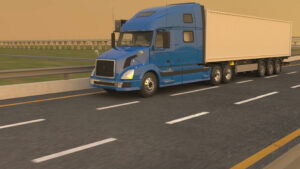
These blind spots exist despite mirror systems because the physical dimensions of truck cabs and trailers create viewing angles that mirrors cannot fully address. Standard truck mirrors reflect only 50 to 70% of the adjacent lane area, leaving substantial gaps in driver awareness.
Common Misconceptions About Truck Mirrors and Visibility
Many motorists operate under dangerous misconceptions about truck driver visibility. Understanding the limitations of truck mirror systems helps motorists make safer decisions when traveling near commercial vehicles.
The most common misconception holds that if you can see a truck’s side mirror, the driver can see you. This assumption proves false in many situations. Truck mirrors provide limited coverage of adjacent lanes, and vehicles positioned at certain angles remain invisible regardless of mirror adjustment. A passenger vehicle traveling alongside a truck may see the mirror clearly while remaining completely hidden from the driver’s view.
Another misconception involves the effectiveness of brief glances. Truck drivers operating under fatigue conditions may miss vehicles that appear briefly in their field of view. Uneven acceleration patterns alongside truck cabs create situations where fatigued drivers fail to register the presence of adjacent vehicles before initiating lane changes.
Subtle drift patterns from commercial trucks often precede blind spot collisions. A truck gradually moving toward lane markers or a truck initiating lane changes without signaling indicates a driver who may not have checked blind spots adequately. These warning signs, documented in TxDOT and FMCSA crash investigations, appear in more than 30% of blind spot related accidents.
Protective Measures for Texas Motorists
Avoiding truck blind spots requires understanding their dimensions and maintaining awareness of your position relative to commercial vehicles. The following measures can significantly reduce exposure to blind spot collision risks.
Memorize the four no-zones surrounding commercial trucks and plan your highway travel to minimize time spent within them. When passing trucks, complete the maneuver fully by continuing until your vehicle clears the front of the trailer before returning to the truck’s lane. When following trucks, maintain at least a seven-second following distance to remain visible in the truck’s mirrors and provide adequate reaction time.
Use truck mirrors as a visibility gauge. If you cannot see the truck driver’s face in the truck’s side mirror, assume the driver cannot see your vehicle. When you find yourself in this situation, accelerate smoothly to exit the blind spot rather than maintaining position alongside the truck. Avoid the passenger side blind spot particularly, as it represents the largest and most dangerous no-zone.
Respond assertively if a truck begins encroaching on your lane. A short, firm horn signal alerts the driver to your presence. Activate hazard lights to draw attention from surrounding traffic if you cannot safely exit the blind spot. These actions have prevented countless collisions by alerting truck drivers to vehicles they could not otherwise see.
Document blind spot incidents when they occur. Dashboard cameras capture evidence of improper lane changes and failure to signal that establish negligence in collision cases. Record the truck’s DOT number, company name, and details of the encroachment for potential reports or legal proceedings.
Report dangerous blind spot violations to Texas Highway Patrol at *HP (*47). These reports contribute to enforcement efforts and help identify drivers or carriers with patterns of visibility-related violations.
Legal Framework and Enforcement Efforts
Federal Motor Carrier Safety Administration regulations mandate blind spot awareness training for commercial driver’s license holders. Truck drivers receive instruction on the dimensions of their vehicle’s blind spots and proper techniques for monitoring them before lane changes. Violations of proper passing procedures carry fines exceeding $500 in Texas.
TxDOT conducts roadside inspections that assess mirror condition and adjustment. Improperly adjusted or damaged mirrors that reduce driver visibility constitute violations that support negligence claims when accidents occur.
Trucking companies bear responsibility for ensuring their drivers receive adequate training on blind spot awareness. When training deficiencies contribute to blind spot accidents, both the driver and employer may face liability.
Protecting Your Rights After a Blind Spot Accident
If you have been injured in a blind spot collision with a commercial truck, evidence preservation begins immediately at the scene. Photograph vehicle positions, damage patterns, and any evidence of the truck’s lane change or merge maneuver. Document the truck’s mirror condition if visible damage exists. Obtain witness contact information from individuals who observed the collision.
Seek medical attention promptly and maintain thorough records of treatment and expenses. Texas law allows injury victims to pursue compensation for medical bills, lost wages, pain and suffering, and other damages caused by negligent driving.
Consulting with a truck accident attorney costs nothing upfront and provides clarity about your legal options. An experienced attorney can investigate driver training records, mirror inspection logs, and company policies to establish the negligence that contributed to your blind spot collision.
Review your uninsured and underinsured motorist coverage before accidents occur. Adequate UM/UIM coverage protects you when at-fault parties carry insufficient insurance. Understanding truck blind spot dimensions and maintaining awareness of your position relative to commercial vehicles empowers Texas motorists to avoid the invisible zones where accidents occur.