Truck Blind Spot Accidents in Texas | No-Zone Collision Injury Rights

Published by J.A. Davis & Associates – San Antonio Personal Injury Lawyers – Truck Accident Lawyers

Texas Highways: Recognizing Truck Blind Spots and Protecting Yourself from No-Zone Collisions (Part 12)

Truck blind spot accidents rank among the most common and preventable collisions on Texas highways. The massive blind spots surrounding commercial trucks create invisible zones where passenger vehicles simply disappear from driver awareness. Truck blind spot accidents contributed to approximately one-third of all large truck and passenger vehicle collisions in Texas during 2024, when the state recorded 39,393 commercial vehicle crashes claiming 608 lives. Truck blind spot accidents occur when motorists linger in areas where truck drivers cannot see them, or when truck drivers fail to properly check their surroundings before lane changes. If you or a family member has been injured in a collision caused by a truck driver’s failure to monitor blind spots, legal remedies are available.

san antonio commercial truck accident lawyer

The Scope of Blind Spot Accidents in Texas

Texas highways carry enormous volumes of commercial truck traffic, creating constant interaction between semi-trucks and passenger vehicles. The physical characteristics of commercial trucks produce four substantial blind spots that create dangerous conditions for surrounding motorists. In 2024, Texas recorded 39,393 commercial vehicle crashes resulting in 608 fatalities and thousands of serious injuries.

National and state data indicate that approximately one-third of collisions between large trucks and passenger vehicles occur within truck blind spots. These incidents transform routine highway travel into side-swipe collisions, rear-end accidents, and merge-related crashes. Harris County alone recorded over 850 truck accidents during that year, with approximately 35% attributed to blind spot visibility failures on congested corridors such as Interstate 10.

The dimensions of truck blind spots exceed what most motorists realize. The front blind spot extends approximately 20 feet ahead of the cab, meaning a truck driver cannot see vehicles that cut in too closely after passing. The passenger side blind spot spans roughly 30 feet laterally from the truck, covering two full lanes of traffic. The driver side blind spot extends approximately 20 feet, though it remains somewhat smaller due to better mirror positioning. The rear blind spot stretches an alarming 400 feet behind the trailer, rendering following vehicles completely invisible to the truck driver.
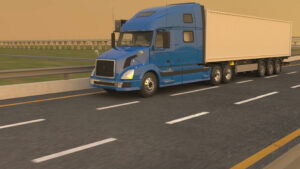
mcallen tr

These blind spots exist despite mirror systems because the physical dimensions of truck cabs and trailers create viewing angles that mirrors cannot fully address. Standard truck mirrors reflect only 50 to 70% of the adjacent lane area, leaving substantial gaps in driver awareness.

Common Misconceptions About Truck Mirrors and Visibility

Many motorists operate under dangerous misconceptions about truck driver visibility. Understanding the limitations of truck mirror systems helps motorists make safer decisions when traveling near commercial vehicles.

The most common misconception holds that if you can see a truck’s side mirror, the driver can see you. This assumption proves false in many situations. Truck mirrors provide limited coverage of adjacent lanes, and vehicles positioned at certain angles remain invisible regardless of mirror adjustment. A passenger vehicle traveling alongside a truck may see the mirror clearly while remaining completely hidden from the driver’s view.

Another misconception involves the effectiveness of brief glances. Truck drivers operating under fatigue conditions may miss vehicles that appear briefly in their field of view. Uneven acceleration patterns alongside truck cabs create situations where fatigued drivers fail to register the presence of adjacent vehicles before initiating lane changes.

Subtle drift patterns from commercial trucks often precede blind spot collisions. A truck gradually moving toward lane markers or a truck initiating lane changes without signaling indicates a driver who may not have checked blind spots adequately. These warning signs, documented in TxDOT and FMCSA crash investigations, appear in more than 30% of blind spot related accidents.

Protective Measures for Texas Motorists

Avoiding truck blind spots requires understanding their dimensions and maintaining awareness of your position relative to commercial vehicles. The following measures can significantly reduce exposure to blind spot collision risks.

Memorize the four no-zones surrounding commercial trucks and plan your highway travel to minimize time spent within them. When passing trucks, complete the maneuver fully by continuing until your vehicle clears the front of the trailer before returning to the truck’s lane. When following trucks, maintain at least a seven-second following distance to remain visible in the truck’s mirrors and provide adequate reaction time.

Use truck mirrors as a visibility gauge. If you cannot see the truck driver’s face in the truck’s side mirror, assume the driver cannot see your vehicle. When you find yourself in this situation, accelerate smoothly to exit the blind spot rather than maintaining position alongside the truck. Avoid the passenger side blind spot particularly, as it represents the largest and most dangerous no-zone.

Respond assertively if a truck begins encroaching on your lane. A short, firm horn signal alerts the driver to your presence. Activate hazard lights to draw attention from surrounding traffic if you cannot safely exit the blind spot. These actions have prevented countless collisions by alerting truck drivers to vehicles they could not otherwise see.

Document blind spot incidents when they occur. Dashboard cameras capture evidence of improper lane changes and failure to signal that establish negligence in collision cases. Record the truck’s DOT number, company name, and details of the encroachment for potential reports or legal proceedings.

Report dangerous blind spot violations to Texas Highway Patrol at *HP (*47). These reports contribute to enforcement efforts and help identify drivers or carriers with patterns of visibility-related violations.

Legal Framework and Enforcement Efforts

Federal Motor Carrier Safety Administration regulations mandate blind spot awareness training for commercial driver’s license holders. Truck drivers receive instruction on the dimensions of their vehicle’s blind spots and proper techniques for monitoring them before lane changes. Violations of proper passing procedures carry fines exceeding $500 in Texas.

TxDOT conducts roadside inspections that assess mirror condition and adjustment. Improperly adjusted or damaged mirrors that reduce driver visibility constitute violations that support negligence claims when accidents occur.

Trucking companies bear responsibility for ensuring their drivers receive adequate training on blind spot awareness. When training deficiencies contribute to blind spot accidents, both the driver and employer may face liability.

Protecting Your Rights After a Blind Spot Accident

If you have been injured in a blind spot collision with a commercial truck, evidence preservation begins immediately at the scene. Photograph vehicle positions, damage patterns, and any evidence of the truck’s lane change or merge maneuver. Document the truck’s mirror condition if visible damage exists. Obtain witness contact information from individuals who observed the collision.

Seek medical attention promptly and maintain thorough records of treatment and expenses. Texas law allows injury victims to pursue compensation for medical bills, lost wages, pain and suffering, and other damages caused by negligent driving.

Consulting with a truck accident attorney costs nothing upfront and provides clarity about your legal options. An experienced attorney can investigate driver training records, mirror inspection logs, and company policies to establish the negligence that contributed to your blind spot collision.

Review your uninsured and underinsured motorist coverage before accidents occur. Adequate UM/UIM coverage protects you when at-fault parties carry insufficient insurance. Understanding truck blind spot dimensions and maintaining awareness of your position relative to commercial vehicles empowers Texas motorists to avoid the invisible zones where accidents occur.

Learn More

Roofing System Failures and Leaks

Roofing System Failure and Leak Lawyers in San Antonio

Roofing system failures and leak damage represent some of the most critical and expensive construction defects affecting San Antonio properties. When roofing systems fail to provide adequate weather protection due to design flaws, installation errors, or material defects, the resulting water intrusion can cause catastrophic damage that affects every aspect of a building’s structure, systems, and habitability.

The Demanding Climate Challenges for San Antonio Roofs

San Antonio’s extreme weather conditions create extraordinary demands on roofing systems that must withstand intense heat, severe storms, hail damage, and dramatic temperature fluctuations throughout the year. Summer temperatures regularly exceed 100 degrees, creating thermal expansion and contraction cycles that stress roofing materials and connections. Severe thunderstorms bring high winds, torrential rainfall, and hail that can overwhelm inadequately designed or installed roofing systems.

Modern roofing systems are complex assemblies that must integrate multiple components, including structural decking, underlayment, primary roofing materials, flashing systems, and drainage components. When any component fails or when these systems aren’t properly coordinated, water infiltration can occur with devastating consequences that spread throughout the entire building structure.

Critical roofing system components include:

  • Structural roof decking and framing systems
  • Underlayment and vapor barrier installations
  • Primary roofing materials and attachment methods
  • Flashing systems around penetrations and transitions
  • Gutters, downspouts, and drainage management
  • Ventilation systems and insulation coordination

Common Roofing Installation Defects

Roofing system failures typically result from contractor negligence, inadequate supervision, or cost-cutting measures that compromise weather protection and system durability. These defects often interact with each other, creating multiple failure points that allow extensive water intrusion during regular weather events.

Improper flashing installations represent the most common cause of roofing system failures. Flashing must direct water away from vulnerable areas such as roof penetrations, wall intersections, and valleys where different roof planes meet. Contractors who fail to properly install, seal, or coordinate flashing systems create direct pathways for water infiltration that can cause extensive hidden damage before leaks become visible inside buildings.

Inadequate drainage design creates ponding water that exceeds the capacity of roofing materials and systems designed for proper water shedding. Roofs that lack sufficient slope, have blocked drainage paths, or inadequate gutter capacity cannot handle San Antonio’s intense rainfall events, leading to water backup and infiltration through overwhelmed roofing systems.

Defective material installation occurs when contractors fail to follow manufacturer specifications for roofing material application, use inappropriate fasteners, or ignore proper overlap and sealing requirements. Even high-quality roofing materials cannot perform effectively when installed incorrectly or without proper attention to manufacturer requirements.

Ventilation system failures can create moisture problems that damage roofing systems from the inside, reduce energy efficiency, and cause comfort issues. Inadequate attic ventilation allows moisture buildup that can rot roof decking, reduce insulation effectiveness, and create ice dam conditions that force water infiltration.

The Cascading Damage from Roof Leaks

Roofing system failures create both immediate water damage and long-term problems that can affect entire building structures. Water infiltration from roof leaks follows gravity and building systems, spreading damage far beyond the initial leak location while creating conditions for mold growth, structural deterioration, and system failures throughout affected buildings.

Structural damage begins with water infiltration into the roof decking and framing systems. Continuous moisture exposure can cause wood rot, metal corrosion, and fastener failure, compromising roof structural integrity and potentially requiring extensive repairs or even complete roof replacement.

Insulation and energy efficiency losses occur when water infiltration saturates insulation materials, reducing their thermal performance while creating moisture problems that can lead to mold growth and indoor air quality issues. Wet insulation loses its effectiveness and can create conditions that dramatically increase heating and cooling costs.

Interior damage affects ceilings, walls, flooring, and personal property as water infiltration spreads throughout the building’s interior. Water stains, drywall damage, flooring replacement, and personal property losses can result in substantial costs that exceed the original value of the roofing system.

Electrical and mechanical system damage occurs when water infiltration reaches electrical systems, HVAC equipment, and other building components. Water and electricity create dangerous combinations, while moisture can damage expensive mechanical equipment and create safety hazards.

Construction Defects That Cause Roofing Failures

Most roofing system problems result from construction defects that occurred during the design or installation process. These defects often involve multiple parties, including architects, general contractors, roofing subcontractors, and other trades whose work impacts the performance and weather protection of the roofing system.

Design deficiencies occur when architects fail to specify appropriate roofing systems for local climate conditions, provide inadequate drainage design, or ignore proper flashing details for complex roof geometries. Inadequate designs cannot provide reliable weather protection regardless of installation quality.

Installation errors by roofing contractors represent the most common cause of roofing system failures. Poor workmanship, inappropriate materials, inadequate fastening, and failure to follow manufacturer specifications create systems that cannot withstand normal weather exposure.

Quality control failures allow defective roofing work to proceed without correction. General contractors who fail to properly supervise roofing installation or conduct adequate inspections often miss critical installation defects that lead to premature failures.

Coordination problems between roofing contractors and other trades can compromise system integrity. For example, HVAC contractors who penetrate roofs without proper flashing coordination or electrical contractors who create roof penetrations after roofing completion can create leak sources that may not become apparent until significant damage occurs.

Legal Liability for Roofing System Defects

Roofing system defect claims can target multiple parties whose negligence or contract violations contributed to system failures and resulting damage. Property owners have various legal avenues for holding responsible parties accountable and recovering comprehensive damages.

Breach of contract claims target contractors who failed to install roofing systems according to project specifications, building codes, or manufacturer requirements. These claims can recover the cost of proper roofing installation plus damages for water intrusion and related problems.

Professional negligence claims hold architects and roofing consultants accountable for inadequate system designs, improper material specifications, or failure to provide adequate construction oversight during critical installation phases.

Breach of warranty claims enforce express warranties provided by contractors and manufacturers, as well as implied warranties of workmanship and weather protection that Texas law provides to protect property owners.

Product liability claims may apply when defective roofing materials contribute to system failures, allowing recovery against manufacturers for material defects that cause water infiltration.

The Investigation and Assessment Process

Roofing system defect claims require comprehensive investigation to identify all failure mechanisms, document the scope of damage, and develop appropriate repair strategies. This process often involves specialized testing, moisture assessment, and detailed analysis of roofing system performance.

Comprehensive roof inspections involve detailed examination of all roofing components, moisture testing, and evaluation of drainage performance to identify defects and performance problems throughout the system.

Water intrusion assessment requires specialized equipment to trace leak sources, identify all affected building components, and document the extent of water damage, including hidden moisture within building cavities.

A structural evaluation determines whether water intrusion has compromised the roof structure, load-bearing capacity, or building safety, necessitating a structural engineering analysis and potentially requiring emergency repairs.

Expert witness coordination involves working with qualified roofing consultants, structural engineers, and construction experts who can testify regarding industry standards, code requirements, and appropriate repair methods.

Recoverable Damages in Roofing Defect Cases

Successful roofing system defect claims can recover substantial damages that reflect the true cost of comprehensive repairs plus compensation for water damage, structural problems, and related consequences.

Complete roofing system replacement costs include the removal of defective installations, proper system design and engineering, and the installation of weather-resistant roofing systems that meet the performance requirements for San Antonio’s climate conditions.

Water damage restoration expenses cover structural repairs, moisture remediation, replacement of damaged interior finishes, and restoration of all building components affected by water infiltration.

Temporary protection and emergency repair costs compensate property owners for immediate measures required to prevent ongoing water damage while comprehensive repairs are planned and executed.

Consequential damages may include temporary relocation expenses, lost rental income, storage costs for personal property, and diminished property values resulting from roofing system failures.

Emergency Response and Weather Protection

Roofing system failures often require immediate emergency repairs to prevent ongoing water damage while preserving evidence for potential legal claims. Property owners who discover roofing problems should coordinate emergency protection with qualified contractors while documenting conditions for potential litigation.

Texas weather patterns can create urgent situations where immediate action is necessary to prevent catastrophic damage during storm seasons. Early legal intervention can help coordinate emergency repairs while preserving claims against responsible parties.

Insurance Coverage and Claim Coordination

Roofing-related water damage can create complex insurance coverage issues, particularly when insurers dispute whether damage results from covered weather events or excluded construction defects. Coordinating construction defect claims with insurance coverage can maximize recovery from all available sources.

Storm damage claims may also interact with construction defect issues when inadequate roofing systems fail under weather conditions that properly installed systems should have withstood.

Protecting Your Shelter Investment

Roofing system defects threaten your property’s fundamental weather protection and structural integrity. When construction defects compromise your building’s primary defense against San Antonio’s challenging climate, you shouldn’t bear the financial burden of comprehensive repairs that result from others’ negligence.

Attorney Bryan A. Woods has extensive experience representing San Antonio property owners in complex cases involving roofing system defects. He works with leading roofing consultants, structural engineers, and water damage specialists to build comprehensive cases that hold all responsible parties accountable.

Don’t let roofing defects compromise your property’s protection and value. Contact Bryan A. Woods today for expert legal representation that secures the compensation you deserve for roofing construction defects and resulting damage.


Learn More

Corpus Christi Car Accident Lawyers

FREE CONSULTATION 361-444-1111

Are you in Corpus Christi? Were you injured in an Auto accident?

CALL SHAW. We can help. Call us at 361-444-1111

Carabin Shaw has helped injured Texans for over 32 years as a dedicated Personal Injury Law Firm. Several of our attorneys are board-certified in Personal Injury Law, by the ” Texas Board Of Legal Specialization.”

While driving a car is second nature for many Texans, accidents involving motor vehicles are all too common and leave many victims of these accidents with long-lasting pain and suffering from serious injuries. The consequences and injuries can be much worse if a drunk or reckless driver actually caused your accident. If you were seriously injured in a vehicle accident that was someone else’s fault, you may well be legally entitled to monetary compensation.

Located in Texas, Carabin Shaw Law Firm has many personal injury lawyers representing auto accident victims in Corpus Christi and throughout our Texas Gulf Coast area. Our dedicated Corpus Christi Accident lawyers believe that negligent drivers must be held accountable, and you can count on us to help you through this difficult time.

Causes of Automobile Accidents in Corpus Christi

In Texas, all vehicle operators have the responsibility to drive in a safe manner and are responsible for being careful not to cause injury to others. Obviously, all drivers have to obey the traffic laws and must keep themselves aware of traffic and the road. However, careless driving and driver errors lead to many accidents, which result in all kinds of deaths and injuries.
In fact, most accidents occur for one of the following reasons:

Distracted Driving is the No.1 cause of car accidents anywhere

Mechanical Defects

  • Mechanical Defects
    Aggressive Driving / Road Rage
    Ignoring traffic signals like stop signs or red lights
    Failure To Yield
    Improper turning
    Driver fatigue
    Speeding
    Tailgating
    Drunk Driving (DUI)

  • Accidents caused by the above-mentioned negligent behaviors frequently cause various common physical injuries ranging from:
    Traumatic Brain Injuries
    Spinal Injuries
    Neck Injuries
    Loss of Limbs
    Broken Bones
    Whiplash, Bruises
    Lacerations or Minor Scrapes.
    Emotional Distress – Emotional Trauma
    If you have been injured in a motor vehicle accident, you should seek medical care immediately. While certain injuries may require long-term care, others might not even appear until after your accident. In either of these cases, it is essential that you consult with our experienced attorneys; we will hold the at-fault party responsible
    Dedicated Corpus Christi Car Accident Lawyers
    Whatever the nature of your accident injuries, calling Carabin Shaw is, your best chance at receiving maximum compensation. Our Corpus Christi auto accident lawyers know all too well that it can take a really long time for you to recover fully and even longer than that to determine the actual costs of your treatment and the full extent of your injuries. You may also be unable to work, which results in the partial or total loss of needed income.
    With over more than 32 years of practice, our law firm has seen how insurance companies and insurance adjusters try for a quick settlement in many auto accident cases for much less than they are worth. insurance representatives put otherwise innocent accident victims at a real disadvantage. You should never accept any settlement offer or really even speak to an insurance company representative without proper legal representation. Our accident attorneys can and will turn the tables, negotiating hard to get you financial compensation. If the insurer fails to act in good faith and won’t make a reasonable and fair offer, our skilled attorneys are ready to take your case to the appropriate court.
    You can receive compensation for economic damages and non-economic damages for your accident claim. In some cases, punitive damages may be appropriate.
    Economic Damages are Tangible and Cover Any Financial Losses:
    Car Repairs or Replacement
    Property Damages of any kind
    Medical Expenses – Medical Costs – Hospital Bills – Doctors Visits – Physical Therapy – Cost of Medical Equipment
    Out-Of-Pocket Expenses related to the Accident Injuries
    Lost Wages or Bonuses
    Non-Economic Damages are Compensation for Pain and Suffering
    Chronic Conditions Resulting from the Injuries
    Mental Amguish
    Loss of Consortium – Loss of Companionship – Loss of Quality of Life
    PTSD
    Impaired Bodily Functions
    Psychological Trauma
    Punitive Damages are awarded when:
    The at-fault driver showed great disregard for the safety of others. Acted extremely reckless or grossly negligent. Punitive Damages are awarded to discourage others from doing the same.

Give Carabin Shaw’s, personal injury lawyers a call. We can help. Call us at 361-444-1111, local, if you’re in Corpus Christi.
Visits with the Attorney are by appointment only. Main office San Antonio, Texas.
The Carabin Shaw Offices in Corpus Christi are located two blocks south of the Nueces County Courthouse in Corpus Christi, Texas.
Our Corpus Christi telephones are answered 24 hours a day, 7 days a week. Call 361.444.1111.
Get 24/7 Real-Time Hi! A live, real person is available 24/7 at no obligation.
Live Chat is secure, free and easy. Start whenever you are ready.
LIVE CHAT

Learn More

Copyright 2026 Law Blog | All Rights Reserved.